
Art residency guide
Best Art Residencies for Emerging Artists
A shortlist of recognized programs for early-career artists
Last updated: May, 2026
Many early-career artists apply to highly competitive residencies too soon, often focusing on the most visible or fully funded programs before they have built enough momentum.
This guide focuses on recognized residencies that are more realistic for artists with a strong portfolio but a shorter CV. These programs help emerging artists develop their practice through focused studio time, peer exchange, feedback, and opportunities to present their work.
Some established residencies are included when they offer dedicated early-career tracks or remain accessible to artists without an extensive exhibition history.
Fully funded residencies can be valuable, but they are usually more competitive and are not always designed around early-career development. This list focuses on programs that can help artists build the experience, confidence, and visibility needed for future opportunities.
If your goal is to strengthen your practice, build a credible international profile, and improve future applications, these are the residencies to target first.
#1 Vermont Studio Center (Vermont, USA)
One of the largest and most established artist residencies in the world, offering a strong entry point into the international residency circuit.


Why it stands out
-
Founded in 1984, with over four decades of credibility in the international art world
-
Hosts around 50 artists and writers per session, making it one of the largest residency communities globally
-
Strong international cohort, with artists from North America, Latin America, Europe, and beyond
-
Includes a visiting artist who meets individually with each resident during the session
-
Regular evening artist talks where residents present their work in small groups over multiple nights
-
Open studios at the end of the residency, allowing artists to share work and engage with peers
-
A significant portion of residents receive fellowships, including full and partial support
-
Targeted fellowships for Latin American and Caribbean artists, craft-based artists, Native American artists, and others, often including travel stipends
Key facts
-
Location: Johnson, Vermont, USA
-
Duration: 2–4 weeks, year-round
-
Disciplines: Visual arts and writing
-
Studio: Private studio and meals included
-
Accommodation: Private room; bathroom may be private or shared.
-
Funding: Full and partial fellowships available. The 4-week residency fee after partial fellowship support is $4,950 USD; full fellowships are limited and highly competitive. Application fee: $25 USD.
-
Application: Open call, juried by rotating panels of practicing artists and writers. Two annual cycles: February 15–March 31 and August 15–September 30. Next application window opens August 15, 2026.
Acceptance: Selective, but more accessible than top-tier residencies due to its scale. A strong portfolio matters more than exhibition history, making it genuinely open to early-career artists with developed work.
Best for: Emerging artists seeking their first internationally recognized residency, a large and diverse peer group, and opportunities for peer exchange and feedback.
Not ideal for: Artists looking for intensive mentorship, highly curated cohorts, or frequent one-on-one guidance.
Strategic value: A widely recognized first residency that validates your work through a competitive jury process, builds an international peer network, and strengthens your profile for more selective programs. Particularly valuable for Latin American artists due to dedicated fellowship opportunities.
Link: Learn more
#2 Casa Lü Parque and Sur (Mexico City)
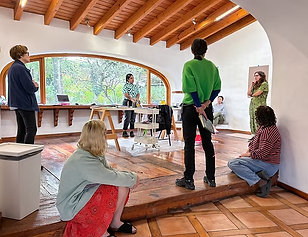
An artist-run residency in Mexico City that combines focused studio practice with a structured program and direct engagement with one of the most dynamic contemporary art scenes in the world.


Why it stands out
-
Founded in 2017, with over 700 artists hosted from more than 40 countries
-
Small cohort of 5–6 artists, creating a focused and collaborative environment
-
Structured program with regular group meetings, studio visits, workshops, and cultural outings
-
Consistent rhythm of activities balanced with independent studio time, supporting sustained development
-
Regular feedback from local artists, curators, and cultural practitioners
-
Strong integration into Mexico City’s contemporary art scene through studio visits, openings, and professional encounters
-
Clear progression from initial presentations to final exhibition, supporting sustained development over the residency
-
Final public exhibition with professional documentation
Key facts
-
Location: Mexico City, Mexico
-
Duration: 33–40 days (fixed cohort sessions)
-
Disciplines: Primarily visual arts (interdisciplinary practices welcomed)
-
Studio: Shared or private studio, depending on the house and program format
-
Accommodation: Private room with private bathroom
-
Program: Group meetings, studio visits, cultural excursions, and final exhibition
-
Funding: Partial scholarships available. After minimum scholarship support, fees range from $1,250–$2,400 USD; external funding support is available. No application fee.
-
Application: Open call, rolling admissions (applications currently open). Early application is recommended. Shortlisted applicants are invited to an interview.
Acceptance: Selective, with a focus on commitment, clarity of practice, and potential. Designed to identify artists who will benefit from a structured and engaged environment, rather than those with extensive exhibition histories.
Best for: Artists seeking a balance between focused studio time, critical feedback, and active engagement with a major international art scene within a small and collaborative cohort.
Not ideal for: Artists looking for a fully self-directed or isolated residency with minimal structure or interaction.
Strategic value: A strong early-career residency that accelerates practice development, builds confidence presenting work, and connects artists directly to an active international art scene.
Link: Learn more
#3 Banff Centre for Arts and Creativity (Canada)
One of the most established arts institutions in the world, offering highly resourced residencies within a campus environment that combines studio practice, technical facilities, and access to leading international faculty.


Why it stands out
-
Founded in 1933, with a long-standing international reputation in artistic and creative development
-
Multiple residency formats, including programs specifically designed for early-career artists
-
Access to extensive professional facilities across disciplines (printmaking, sculpture, photography, digital media, sound, and more)
-
Faculty-led programs with visiting artists, curators, and critics from leading international institutions
-
Combination of self-directed studio time with structured workshops, lectures, and feedback
-
Located within Banff National Park, offering a unique environment for focused work
-
Campus-based environment with artists across multiple disciplines, creating a dynamic atmosphere with constant activity, cross-disciplinary exchange, and access to nature in the Canadian Rockies
Key facts
-
Location: Banff, Alberta, Canada (Banff National Park)
-
Duration: Typically 5–6 weeks (varies by program)
-
Disciplines: Visual arts, plus multiple other disciplines across the arts
-
Studio: Private studio with access to advanced shared facilities
-
Accommodation: Private room with private bathroom in shared campus housing
-
Program: Mix of self-directed work, faculty guidance, workshops, and lectures
-
Funding: Tuition is fully subsidized for accepted participants; artists pay primarily for accommodation and meals. For the 2026 six-week program, the fee after scholarship is ~$3,800 USD. Application fee: ~$50 USD.
-
Application: Open call, program-specific selection. Deadlines vary by program and are offered throughout the year, typically tied to specific themed residencies. Applicants should check current open calls, as cycles open and close on a rolling annual basis.
Acceptance: Selective, but more accessible than top-tier residencies due to the number of programs offered throughout the year. Dedicated early-career tracks make it a viable option for emerging artists with strong potential, even without an extensive exhibition history.
Best for: Artists seeking access to high-level facilities, structured learning, and international faculty, within a well-established institutional environment.
Not ideal for: Artists looking for a highly independent, self-directed residency or a small, community-driven cohort experience.
Strategic value: A highly recognized residency that provides access to institutional resources, technical production capabilities, and international faculty, helping artists develop ambitious work and strengthen their profile for future opportunities.
Link: Learn more
#4 SÍM Residency (Reykjavík, Iceland)
A residency run by Iceland’s national association of visual artists, offering a flexible and independent program within an active local art community.


Why it stands out
-
Run by the Association of Icelandic Visual Artists, the largest artists’ organization in the country
-
One of the most established residencies in the Nordic region, hosting 150–200 artists annually
-
Located within buildings shared with local Icelandic artists, enabling daily interaction with the working art community
-
Two distinct locations: a social, central Reykjavík space and a quieter, production-focused site on the outskirts
-
Monthly public artist talks, open studios, and community events
-
Acceptance provides official documentation often used to secure external funding
Key facts
-
Location: Reykjavík, Iceland (central and outskirts locations)
-
Duration: 1–3 months
-
Disciplines: Open to visual arts, design, performance, writing, research, and interdisciplinary practices
-
Studio: Private or combined live/work spaces within shared artist buildings
-
Accommodation: Mostly private live/work rooms or private bedrooms; bathrooms are shared.
-
Program: Light structure with optional events, talks, and community engagement
-
Funding: Self-funded (~$1550/month); external grants commonly used. No application fee.
-
Application: Open call, reviewed continuously with biannual deadlines. Main deadlines fall on June 30 (for residencies in the first half of the following year) and November 30 (for the second half). Applications are assessed on a rolling basis within each cycle, so earlier submission improves chances of placement.
Acceptance: Moderately selective, with emphasis on the strength of the proposed project and the ability to work independently. More accessible than highly competitive residencies, but still requires a clear and developed practice.
Best for: Emerging artists seeking a flexible residency with independence, access to an active local art community, and a credible institutional framework that supports external funding applications.
Not ideal for: Artists looking for structured programming, frequent feedback, or a highly guided residency experience.
Strategic value: A credible entry point into the European residency circuit, particularly valuable for artists applying for external funding. Its institutional backing and recognition by national arts bodies make it stronger than most fee-based programs, while still remaining accessible.
Link: Learn more
#5 Atlantic Center for the Arts (Florida, USA)
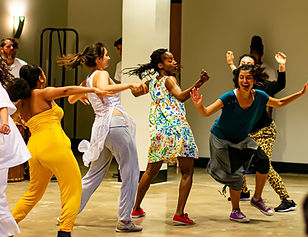
A long-running interdisciplinary residency in Florida built around direct mentorship with established artists across visual arts, writing, performance, music, and other disciplines.


Why it stands out
-
Founded in 1977, with its residency program active since 1982
-
Distinctive mentor-based structure: each session is led by three Mentoring Artists from different disciplines
-
Each Mentoring Artist personally selects a small group of Associate Artists to work with during the residency
-
Interdisciplinary cohort, bringing together visual artists, writers, composers, performers, and other creative practitioners
-
Three-week format combines structured mentorship with independent studio time
-
Located on a large environmental preserve near the Atlantic coast in New Smyrna Beach, Florida
-
Private room and weekday meals included
Key facts
-
Location: New Smyrna Beach, Florida, USA
-
Duration: 3 weeks
-
Disciplines: Visual arts, writing, music, dance, performance, theater, architecture, film/video, multimedia, and interdisciplinary practices
-
Studio: Communal studios and discipline-specific facilities
-
Accommodation: Private room with private bathroom
-
Program: Mentorship, workshops, critiques, discussions, public lectures, independent work, and final public sharing
-
Funding: Tuition-based ($1,350 USD for 3 weeks), with scholarships available; room and board included. Application fee: $25 USD.
-
Application: Artists apply to a specific Mentoring Artist, not to the program generally. Deadlines vary by session, with multiple application cycles throughout the year.
Acceptance: Selective, with each Mentoring Artist choosing their own Associate Artists. Selection depends strongly on the fit between the applicant’s work and the specific Mentoring Artist’s residency track, rather than only on exhibition history.
Best for: Emerging and early-career artists seeking direct mentorship from established artists, interdisciplinary exchange, and a recognized residency that can strengthen future applications.
Not ideal for: Artists looking for a fully self-directed residency, a private studio-only experience, or a program with the same structure every session. The experience depends heavily on the Mentoring Artist selected.
Strategic value: Atlantic Center for the Arts offers strong CV value because acceptance means being selected by an established Mentoring Artist into a focused cohort. For emerging artists, it can provide a meaningful credential, direct mentorship, and access to an interdisciplinary network while remaining more accessible than many top-tier fully funded residencies.
Link: Learn more
#6 Anderson Ranch Arts Center (Colorado, USA)
A highly respected visual arts residency that combines intensive mentorship, world-class production facilities, and a small, focused cohort within a mountain campus environment.


Why it stands out
-
Established nonprofit arts institution with over 40 years of international recognition
-
Small cohort of approximately 14 artists per session, creating a focused and tight-knit working environment
-
Three residency terms per year (~45 artists annually), while maintaining an intimate group size
-
Visiting critics program with internationally recognized artists and curators providing in-depth studio feedback and lectures
-
Access to extensive, high-level facilities including ceramics, printmaking, sculpture, photography, and digital fabrication
-
Campus-based environment with ongoing lectures, presentations, and informal exchange among residents
-
Open House exhibitions and public presentations with strong local engagement
Key facts
-
Location: Snowmass Village, Colorado, USA (near Aspen, Rocky Mountains)
-
Duration: 5 or 10 weeks (spring and fall sessions)
-
Disciplines: Visual arts (ceramics, sculpture, painting, photography, printmaking, new media, design)
-
Studio: Dedicated studio with access to advanced shared facilities
-
Accommodation: Private bedroom in shared dorm-style housing; most bathrooms are shared
-
Program: Studio practice combined with critiques, lectures, and community engagement
-
Funding: Low-cost residency ($750–$1,500 USD, plus $100 studio fee) with a limited number of fully funded fellowships. Application fee: $30 USD.
-
Application: Open call, juried selection based on portfolio. Annual deadline typically falls in February, with applications opening around December for the following year’s sessions (spring and fall).
Acceptance: Selective, but accessible to early-career artists with strong work. No strict exhibition requirements, selection is based primarily on portfolio quality and potential.
Best for: Artists seeking a small, focused cohort with access to mentorship, high-level production facilities, and sustained time to develop work.
Not ideal for: Artists looking for a highly urban or internationally networked residency environment, or those prioritizing direct access to galleries, curators, and art market exposure. The remote Rocky Mountain setting is better suited for focused production than city-based engagement.
Strategic value: A well-regarded residency that provides intensive feedback, technical development, and access to advanced facilities, making it especially valuable for emerging artists transitioning from academic training into professional practice.
Link: Learn more
#7 Ox-Bow School of Art — Longform Residency (Michigan, USA)
A community-driven, structured residency combining feedback, interdisciplinary exchange, and focused studio time within a secluded natural campus.


Why it stands out
-
Founded around 1908–1910, with over a century of history as an experimental art community
-
Structured Longform program with regular critiques, workshops, readings, and group discussions
-
Strong emphasis on community living, with shared meals and daily interaction across disciplines
-
Interdisciplinary environment with access to a range of studios, depending on program access and availability
-
Secluded 115-acre campus of forests, dunes, and lakefront landscape
Key facts
-
Location: Saugatuck, Michigan, USA (near Lake Michigan)
-
Duration: ~3 weeks
-
Disciplines: Visual arts and interdisciplinary practices
-
Studio: Basic studio space; access to specialized facilities varies by program and availability
-
Accommodation: Private room in shared campus housing; bathrooms and showers are shared
-
Program: Structured schedule including critiques, workshops, lectures, and studio time
-
Funding: Tuition-based (~$5,750), with scholarships available; room, board, and studio included. Application fee not listed.
-
Application: Open call, juried selection. Typically offered annually, with deadlines in late winter or early spring for summer sessions, and occasional fall programs announced separately. Exact dates vary year to year, so applicants should monitor announcements for the next cycle.
Acceptance: Competitive, but more accessible than Ox-Bow’s fully funded Summer Residency due to a larger cohort and structured format. Selection prioritizes openness to experimentation, engagement with community, and potential rather than extensive exhibition history.
Best for: Emerging artists seeking a structured, community-driven residency with regular feedback, interdisciplinary exchange, and a focused, immersive environment.
Not ideal for: Artists requiring highly specialized or guaranteed access to production facilities, or those prioritizing direct exposure to galleries, curators, and urban art networks.
Strategic value: A strong option for artists looking for an intensive development experience with structure, feedback, and community, within a short and immersive timeframe.
Note on Ox-Bow programs: Ox-Bow also offers a fully funded Summer Residency, which is significantly smaller and more competitive (as few as ~9 artists). The Longform program represents a more accessible, structured alternative within the same institution.
Link: Learn more
#8 ACRE Residency (Wisconsin, USA)
An artist-run summer residency in rural Wisconsin designed specifically to support emerging artists through studio time, peer exchange, shared resources, and long-term community.


Why it stands out
-
Founded in 2010 as a nonprofit organization supporting emerging artists
-
Artist-run and community-driven, with a strong connection to Chicago’s contemporary art scene
-
Designed for emerging visual artists, sound artists, musicians, performers, writers, and curators
-
Three 14-day summer sessions, each hosting around 20–25 artists
-
Self-directed structure with optional studio visits, lectures, workshops, and technical demos
-
Access to facilities including screen printing, ceramics, fibers, sound, art and tech, and outdoor wood shop spaces
-
Post-residency opportunities through ACRE Projects, its Chicago-based exhibition and alumni network
Key facts
-
Location: Rural Southwest Wisconsin, USA
-
Duration: 14 days
-
Disciplines: Visual arts, sound, music, performance, writing, curatorial practice, and interdisciplinary practices
-
Studio: Communal workspaces with access to specialized facilities
-
Accommodation: Shared rooms, typically 3–4 residents per room; each room has a shared bathroom.
-
Program: Self-directed residency with optional workshops, studio visits, lectures, demos, peer exchange, and community programming
-
Funding: Subsidized residency fee of $700 USD for 14 days, with scholarships available; room, board, and studio access included. Application fee varies by deadline, from $0–$60 USD, with a free early application period.
-
Application: Annual open call, usually in the fall, for the following summer. Applications are reviewed by rotating panels of artists, curators, educators, writers, organizers, and alumni.
Acceptance: Selective but genuinely emerging-artist focused. ACRE reviews a large applicant pool through multiple rounds, with selection based on practice, potential, and fit with the residency community rather than extensive exhibition history.
Best for: Emerging artists seeking an affordable, artist-run residency with peer exchange, access to facilities, and a connection to Chicago’s independent art ecosystem.
Not ideal for: Artists looking for a highly institutional residency, private studios, or intensive one-on-one mentorship.
Strategic value: ACRE offers meaningful early-career CV value because it is explicitly designed for emerging artists and connects a rural residency experience to an active Chicago-based alumni and exhibition network. While it is less institutionally prestigious than programs such as Ox-Bow or Vermont Studio Center, its low cost, artist-run structure, and post-residency opportunities make it a strong first or early residency for artists building momentum.
Link: Learn more
Looking specifically for funded options? See our guide to fully funded art residencies. Keep in mind that fully funded programs are usually more competitive and may not offer the same level of structure, feedback, or early-career support.
How to Improve Your Chances as an Emerging Artist
Getting accepted into an art residency is not only about talent. Most programs are not simply choosing the “best” artist; they are choosing artists who clearly fit the residency, can use the opportunity well, and are at the right stage for the program.
For emerging artists, this means applying strategically. A strong portfolio can matter more than a long CV, especially in residencies designed for early-career development. Larger programs, off-season cycles, and residencies with structured feedback or mentorship often offer a more realistic path than applying only to the most competitive fully funded programs.
The goal is to build momentum: one strong residency can make future applications easier by showing that your work has already been selected in a professional context.
Read the full guide: How to Get Accepted Into an Art Residency
_________________________